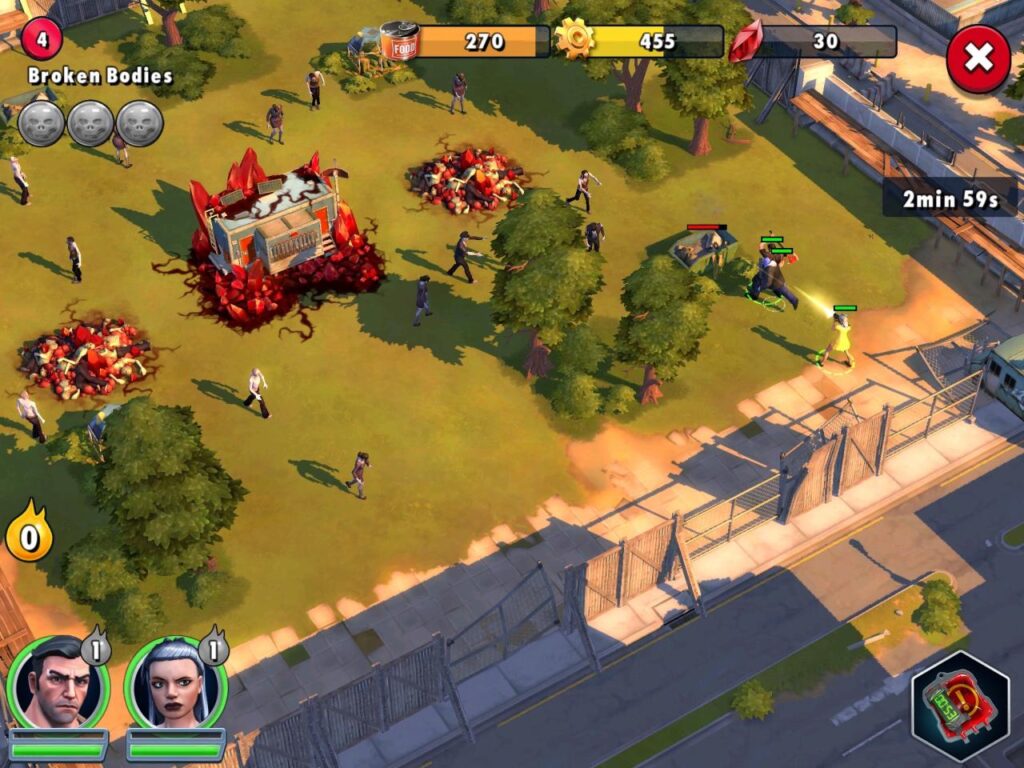

Zombie games sets the stage for this enthralling narrative, offering readers a glimpse into a story that is rich in detail and brimming with originality from the outset. From the early days of survival horror to the rich narratives found in modern titles, the world of zombie games has captivated players globally. These games have evolved significantly, introducing unique gameplay mechanics that keep fans engaged, while diverse genres, from survival to action, showcase the versatility of the undead theme.
As we delve deeper, we will explore the most successful zombie game franchises, analyze their distinctive features, and dissect how storytelling enhances the gaming experience. We’ll also uncover the dynamic communities that surround these titles, how streaming has influenced their popularity, and the common themes that resonate within these vibrant fandoms.
Popular Zombie Game Titles
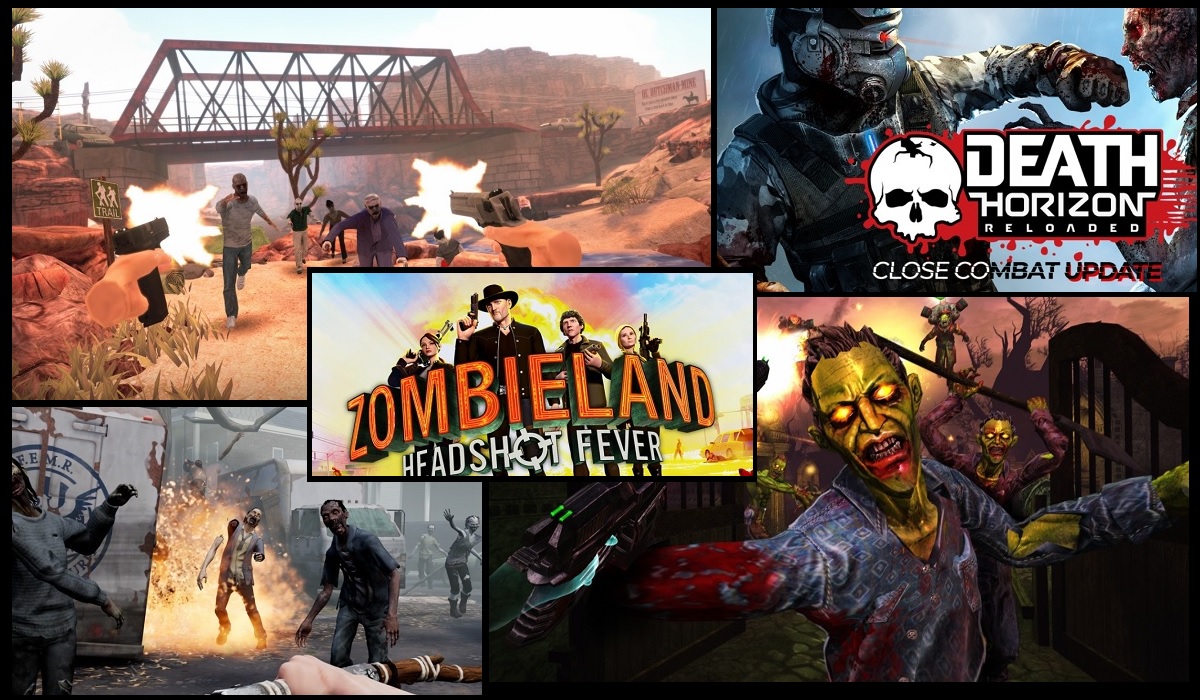
The zombie genre has captivated gamers for decades, evolving from simple arcade shooters to complex narratives filled with character development and intricate gameplay mechanics. The unique allure of zombies—representing both physical danger and metaphoric societal commentary—has made these games popular choices among players.
Over the years, the zombie game landscape has gone through significant changes, showcasing advancements in technology, storytelling, and player engagement. From the early days of 2D graphics to immersive 3D environments, the evolution of zombie games reflects the broader trends in the gaming industry. Major franchises have emerged, each offering distinct experiences that contribute to the overall appeal of the genre.
Successful Zombie Game Franchises
Several franchises have stood out in the zombie gaming landscape, establishing themselves as leaders in gameplay innovation and storytelling. Here are some of the most successful titles:
- Resident Evil: This franchise redefined survival horror, introducing players to a world plagued by the Umbrella Corporation’s bioweapons. The series has shifted from fixed camera angles to over-the-shoulder perspectives, enhancing immersion and tension.
- The Walking Dead: Based on the critically acclaimed comic series, this episodic game focuses on narrative choices and character interactions, setting it apart from traditional action-oriented titles.
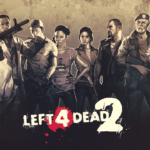
- Left 4 Dead: Known for its cooperative gameplay, this series emphasizes team dynamics as players fight against hordes of zombies, showcasing an engaging multiplayer experience.
- Dying Light: This game combines parkour mechanics with open-world exploration and day-night cycles, elevating the survival experience by introducing new gameplay dimensions.
- Days Gone: Set in a post-apocalyptic world, it features a rich narrative and the concept of “Freakers,” presenting a different type of challenge with its dynamic environments.
Evolution of Zombie Games
The evolution of zombie games has mirrored advancements in technology and changes in player preferences. Initially, games like “Zombie Nation” offered simplistic gameplay with pixelated graphics. As technology progressed, titles such as “Resident Evil” brought cinematic storytelling and atmospheric tension to the forefront.
The rise of online multiplayer capabilities has also transformed player experiences. Games like “DayZ” and “H1Z1” provided expansive open-world environments where players could interact, compete, or collaborate to survive against both the undead and each other.
Moreover, the introduction of VR technology has opened new dimensions for immersive zombie experiences, allowing players to face their fears in ways previously unimaginable.
Unique Gameplay Mechanics
Each successful zombie game franchise offers unique gameplay mechanics that enhance the overall experience and keep players engaged. These mechanics often set them apart in a crowded market.
- Survival Elements: Games like “The Long Dark” emphasize resource management, where players must gather supplies to survive while navigating a harsh environment.
- Character Development: Titles like “The Last of Us” focus on character arcs, where emotional storytelling is intertwined with gameplay, allowing players to form connections with characters.
- Dynamic AI and Environments: “Dying Light” features a day-night cycle that changes enemy behavior, making encounters more unpredictable and intense.
- Cooperative Gameplay: “Left 4 Dead” utilizes teamwork to tackle challenges, making player coordination essential for survival.
- Crafting Systems: In games like “7 Days to Die,” players can create tools, traps, and fortifications, adding a layer of strategy to gameplay.
Zombie Game Genres and Subgenres
Zombie games have evolved significantly over the years, branching into various genres and subgenres that cater to diverse player preferences and experiences. From heart-pounding horror to intense action and strategic survival, the richness of these genres enhances the gaming landscape. Each genre brings unique mechanics and storytelling approaches, influencing player engagement and emotional impact.
Classification of Zombie Game Genres
Understanding the different genres of zombie games allows players to choose experiences that resonate with their preferences. The primary classifications include survival, action, horror, and role-playing games (RPGs), each offering distinct gameplay elements and storytelling techniques.
- Survival: This genre emphasizes resource management, crafting, and exploration in a hostile environment filled with zombies. Players must scavenge for supplies, build shelters, and strategize their survival against hordes of undead foes. Notable titles include DayZ and 7 Days to Die, where players face the challenge of surviving in open-world settings while managing health and inventory.
- Action: Action zombie games focus on combat and fast-paced gameplay, often featuring intense shooting mechanics and dynamic encounters. Games like Left 4 Dead and Resident Evil series are quintessential examples, offering cooperative play and thrilling shootouts against waves of zombies.
- Horror: The horror genre delves into the psychological aspects of fear and survival against the undead. Titles such as Dead Space and The Walking Dead emphasize narrative-driven experiences, evoking emotions through suspenseful storytelling and atmosphere. Players are often placed in unsettling environments where dread and tension are constant companions.
- Role-Playing Games (RPGs): RPGs in the zombie genre provide players with character development, immersive storytelling, and choices that shape the narrative. Games like Dying Light and State of Decay feature open-world exploration, allowing for deeper engagement with the storyline and character evolution.
Distinctive Features of Each Genre
Each genre not only serves different gameplay mechanics but also impacts how stories are told within the zombie apocalypse context. The distinctive features of each genre enhance the player’s experience, whether through strategic planning in survival games or heart-stopping moments in horror titles.
- Survival games prioritize resource management, making players feel the weight of their decisions as they gather supplies and choose when to confront threats.
- Action games create adrenaline-pumping experiences by focusing on combat and fast-paced gameplay, often rewarding quick reflexes and strategic teamwork.
- Horror games excel in building atmosphere and tension, using storytelling to explore themes of isolation, loss, and the human condition in a world overrun by zombies.
- RPGs offer rich narratives and character arcs, allowing players to forge their unique paths through choices and consequences that resonate throughout the gameplay.
Impact of Storytelling in Zombie Game Genres
Storytelling plays a crucial role in enveloping players in the emotional and psychological nuances of a zombie apocalypse. Each genre employs various narrative techniques that enhance player immersion and connection to the game world.
“The power of storytelling in zombie games lies in its ability to evoke empathy, fear, and resilience, guiding players through harrowing journeys of survival.”
In survival games, the narrative often revolves around the struggle to endure against all odds, showcasing themes of humanity and desperation. Action games may prioritize thrilling plotlines with high-stakes conflict, while horror games dive into existential dread and moral complexities. RPGs, with their branching narratives, allow for deeper character exploration and emotional investment, making the player’s choices feel consequential in a fractured world. These storytelling elements not only enhance gameplay but also reflect broader themes of survival, human nature, and the fight against insurmountable odds.
Community and Culture Surrounding Zombie Games
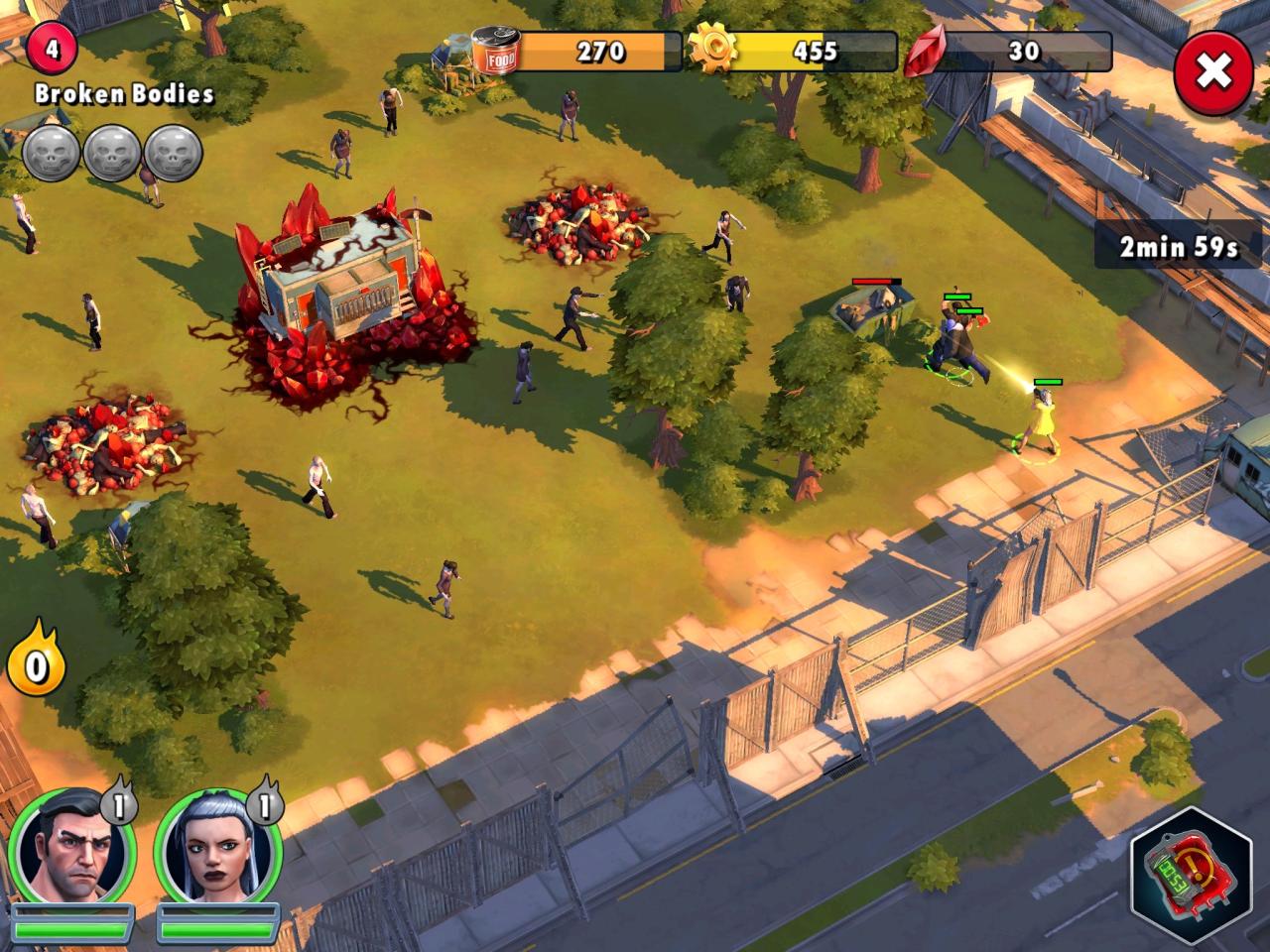
The community surrounding zombie games is vibrant and diverse, fostering a unique culture that enhances the overall gaming experience. From forums to social media channels, fans engage in discussions, share fan art, and create content that celebrates their favorite titles. This interaction not only contributes to the popularity of zombie games but also creates a sense of belonging among players.
The influence of streaming and content creation on the zombie gaming culture cannot be overstated. Platforms such as Twitch and YouTube have become crucial in popularizing zombie games, as content creators showcase gameplay, strategies, and reactions to in-game events. This visibility elevates lesser-known titles and keeps popular franchises in the public eye, leading to increased sales and player engagement.
Fan Communities and Their Contributions
Fan communities play a pivotal role in the popularity of zombie games. These groups create a supportive environment where players can share experiences and insights. They often gather on platforms like Reddit, Discord, and various gaming forums. The following points highlight the significance of these communities:
- Community Events: Many communities organize events such as game nights, where players come together to play and bond over their shared love for zombie games.
- Mods and Fan Creations: Enthusiasts create mods that enhance gameplay or introduce new content, which can significantly extend the life of a game.
- Feedback Loop: Developers often engage with fan communities to gather feedback and suggestions, leading to updates that resonate with player expectations.
Impact of Streaming and Content Creation
The rise of streaming platforms has transformed how players interact with zombie games. Content creators have become influential figures, often shaping public perception and popularity of different titles. The following aspects illustrate this impact:
- Real-time Engagement: Streams allow viewers to experience gameplay live, creating a sense of immediacy and connection with the game and the streamer.
- Influencer Recommendations: Streamers often share their favorite games with their audience, significantly boosting visibility and sales for lesser-known titles.
- Community Building: Interactive streaming fosters a sense of community among viewers, who engage in chat discussions about strategies and favorite moments.
Thematic Elements in Community Discussions, Zombie games
Common themes and tropes frequently emerge in discussions within the zombie game community. These themes often reflect the shared experiences and interests of players. Notable themes include:
- Survival and Strategy: Debates about the best survival tactics or strategies for particular zombie games highlight the depth of player engagement.
- Storytelling and Lore: Players often discuss the narrative elements and lore, dissecting plot points and character development in various titles.
- Character Archetypes: Conversations frequently revolve around character types, such as the lone survivor or the reluctant hero, showcasing the archetypal nature of zombie narratives.
“The community serves as the backbone of zombie gaming culture, enriching the experience with shared knowledge and creativity.”
Summary: Zombie Games
In conclusion, the realm of zombie games is a fascinating blend of innovation, community, and storytelling that continues to evolve. The enduring appeal of these games lies not only in their thrilling gameplay but also in the rich culture they foster among fans. As we look to the future, it’s clear that zombie games will remain a significant force in the gaming industry, inviting both new players and longtime fans to explore the hauntingly entertaining worlds they offer.