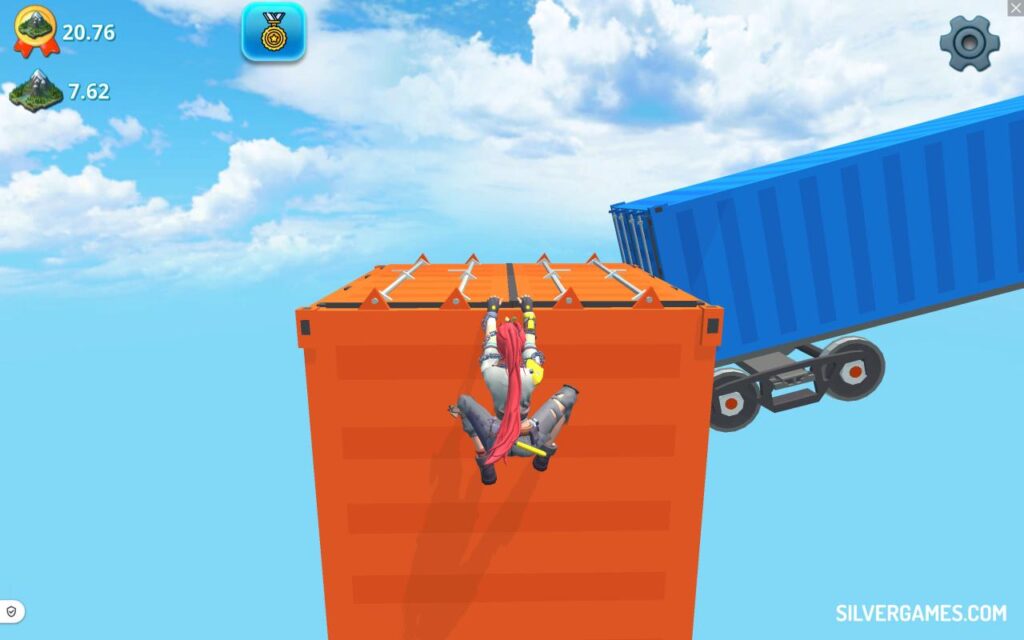

Parkour games set the stage for this enthralling narrative, showcasing the exhilarating blend of agility and strategy that these titles offer. From navigating sprawling urban landscapes to overcoming intricate obstacles, parkour games invite players to experience the thrill of fluid movement and precision. With unique mechanics that emphasize speed and skill, players can engage in a variety of gameplay styles that cater to both casual gamers and competitive enthusiasts.
In the past decade, several parkour games have emerged, each bringing distinct features that highlight the genre’s evolution. Titles like “Mirror’s Edge Catalyst” and “Dying Light” offer breathtaking graphics and immersive environments, pushing the boundaries of what players can experience. The synergy between gameplay mechanics and visual appeal not only enhances the player’s journey but also establishes a captivating atmosphere that is integral to the parkour experience.
Game Mechanics in Parkour Games
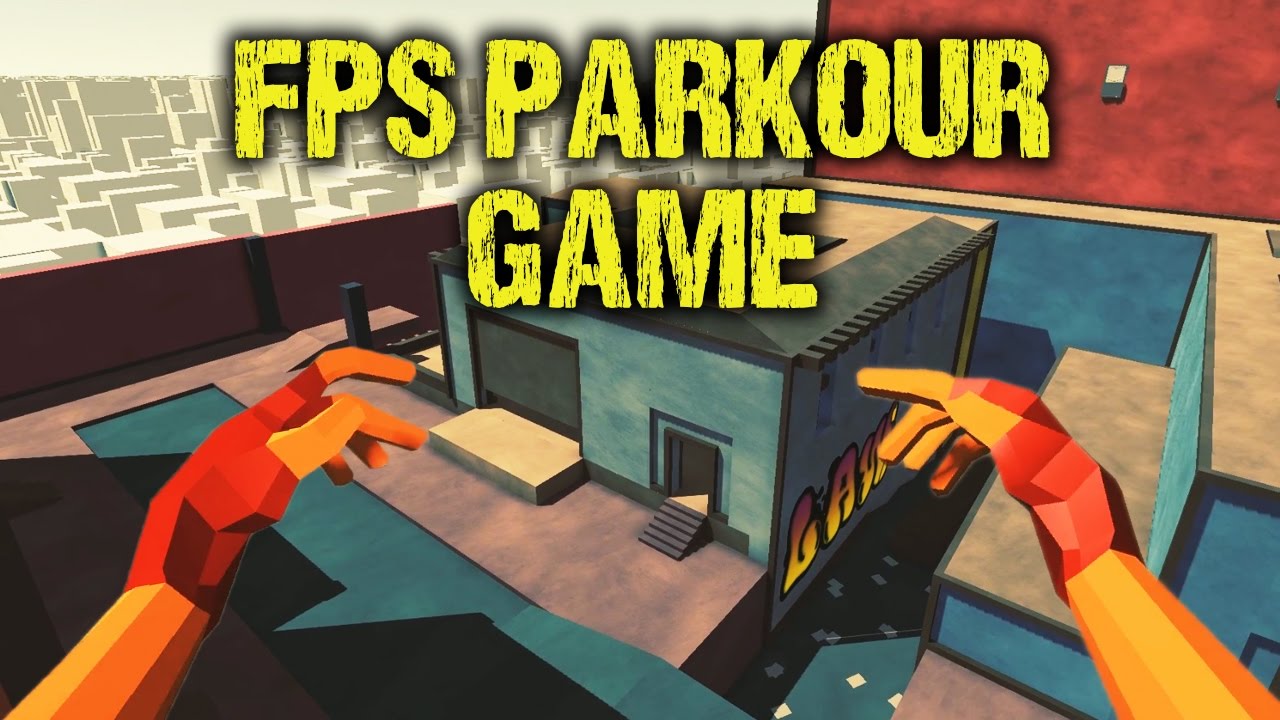
Parkour games are unique in their approach to movement and agility, offering players a thrilling experience that revolves around fluidity and speed. The core mechanics of these games are centered on the ability to traverse diverse environments using acrobatic maneuvers and precise controls. This genre challenges players not only to master their character’s movement capabilities but also to adapt their strategies based on the terrain and obstacles presented.
The movement dynamics in parkour games dictate how players interact with the game world, influencing gameplay in significant ways. Speed, momentum, and the physics of movement are crucial elements that define player experience. Each action, such as jumping, vaulting, and climbing, requires a keen understanding of timing and spatial awareness. Players must learn to navigate the environment effectively, often using a combination of runs, flips, and wall-runs to reach their objectives quickly and efficiently.
Movement Mechanics
The core movement mechanics in parkour games involve several key actions that players must master. Understanding these mechanics enhances gameplay and allows for a more immersive experience. Below are the primary movement actions:
- Running: The foundation of movement, running allows players to build speed and momentum, which is essential for executing longer jumps and more complex maneuvers.
- Jumping: This action is fundamental in parkour games, enabling players to leap over obstacles and gaps. The height and distance of jumps can vary based on the player’s speed and timing.
- Vaulting: Players can use vaulting techniques to overcome barriers such as fences and walls. This action often requires a combination of running speed and correct positioning.
- Wall-running: A unique mechanic that allows players to run along vertical surfaces, wall-running can be used to reach elevated areas or to make quick escapes.
- Climbing: In many parkour games, climbing is essential for navigating complex environments, allowing players to ascend structures or obstacles that are otherwise inaccessible.
Gameplay Styles, Parkour games
Parkour games offer various gameplay styles, allowing players to choose how they want to engage with the environment. Each style caters to different preferences and skill levels, enriching the overall experience. The following are recognized gameplay styles found within parkour games:
- Freestyle: This style emphasizes creativity and improvisation, with players encouraged to experiment with different moves and tricks as they navigate the environment.
- Speedrun: Focusing on completing levels as quickly as possible, speedrunners often use advanced techniques and optimal routes to minimize time.
- Challenge-based: Some games present specific challenges, such as completing a course with limited moves or within a time limit, testing players’ skills and adaptability.
- Exploration: This gameplay style encourages players to explore vast environments, discovering hidden areas, collectibles, and alternative routes through parkour techniques.
Mastering movement dynamics is essential for achieving high scores and unlocking new abilities in parkour games.
Popular Parkour Games and Their Features
The evolution of parkour games over the last decade has brought exciting and innovative experiences to gamers. This genre has gained significant traction due to its fluid mechanics and engaging levels, providing players with the thrill of performing acrobatic feats. Below, we explore some of the most popular parkour games released within the last ten years and highlight the unique features that differentiate them from one another.
Parkour Games Released in the Last Decade
Several titles have stood out in the parkour gaming sphere, showcasing exceptional gameplay and design. Each game offers unique elements that enhance the player’s experience. The following list Artikels some key titles along with their distinctive features:
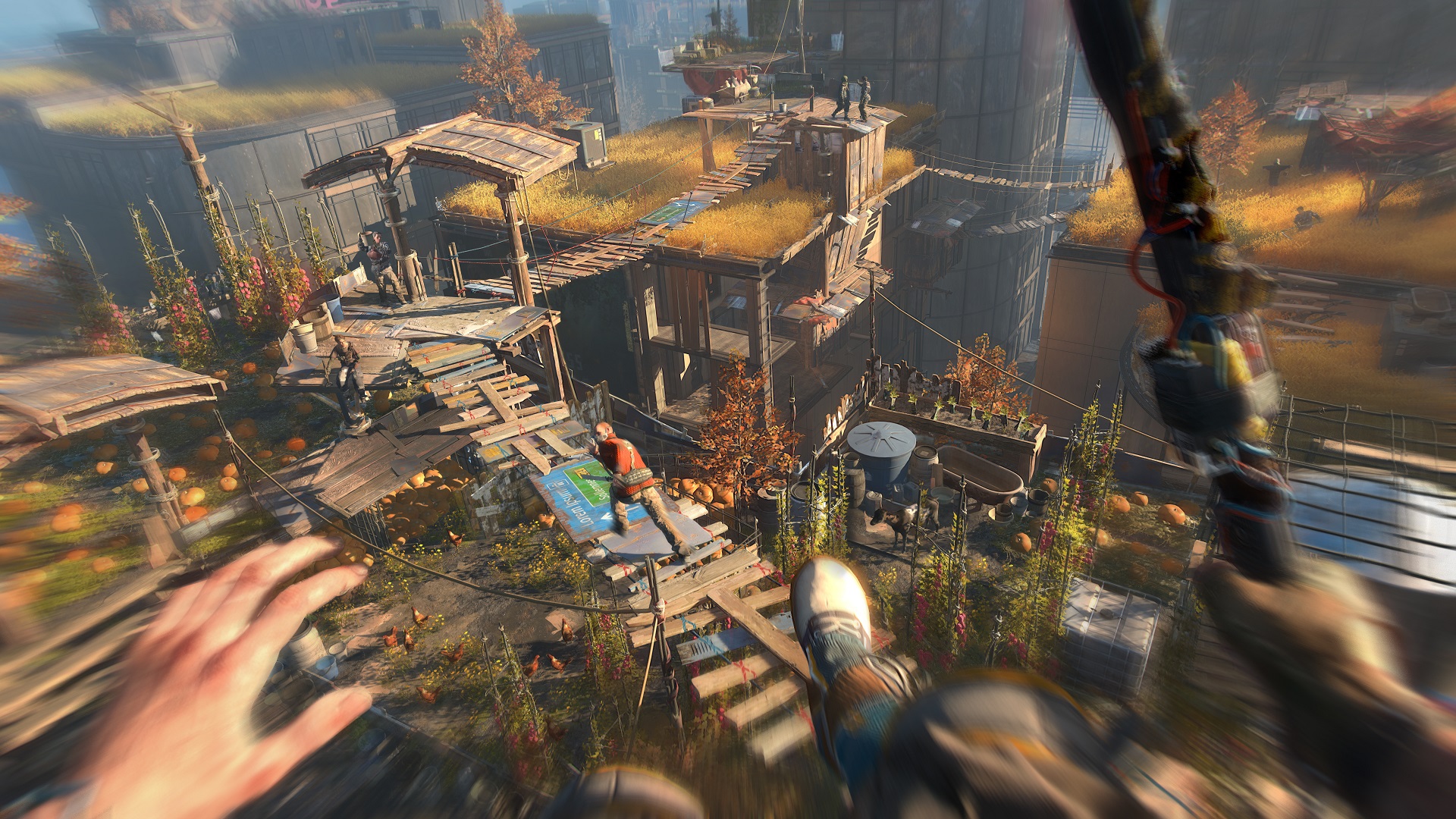
- Dying Light (2015): A survival horror game that combines parkour with combat mechanics, allowing players to traverse a post-apocalyptic world filled with zombies. The day-night cycle adds tension, as players must adapt their parkour strategies based on the environment and enemy behavior.
- Mirror’s Edge Catalyst (2016): A reboot of the original Mirror’s Edge, this game emphasizes fluid movement and environmental exploration. Its first-person perspective provides an immersive experience, while its open-world design allows for creative navigation through a futuristic cityscape.
- Ghostrunner (2020): A cyberpunk-themed action game that blends fast-paced parkour with combat mechanics. Players can perform wall runs and acrobatics while utilizing a katana, presenting a unique mix of speed and precision.
- Assassin’s Creed Valhalla (2020): While not solely a parkour game, it incorporates parkour elements into its open-world design. Players can climb, leap, and navigate the environment seamlessly, enhancing the exploration aspect of the game.
- Cloudrunner (2021): An indie title that focuses solely on parkour mechanics with minimalist graphics. Its unique feature is the emphasis on environmental interaction, allowing players to manipulate their surroundings to create new paths.
Unique Features of Popular Parkour Games
The popularity and success of these titles can be attributed to their distinct features, which significantly enhance gameplay. Each game incorporates unique elements that set them apart from the competition:
- Dying Light: The intricate day-night cycle, where players must adapt their parkour skills for survival, creates a dynamic gameplay experience. The robust crafting system also adds depth, allowing players to customize their gear.
- Mirror’s Edge Catalyst: The focus on free-running and parkour mechanics is complemented by an engaging narrative. The game features a “flow” system that rewards players for maintaining speed and fluidity during runs.
- Ghostrunner: The game combines parkour with combat, introducing a unique “one-hit kill” mechanic that emphasizes speed and precision. The fast-paced gameplay and challenging levels require quick reflexes and strategic thinking.
- Assassin’s Creed Valhalla: The incorporation of historical elements and an expansive open world allows for diverse parkour experiences, from scaling ancient structures to navigating the rugged terrain of Norway and England.
- Cloudrunner: Its minimalist approach encourages players to focus solely on the parkour mechanics without distractions. The innovative level design promotes exploration and creativity in movement.
Comparative Graphics and Environments in Parkour Games
The visual presentation of parkour games plays a crucial role in immersing players in their environments. The graphic styles and settings vary significantly among titles, affecting the overall experience.
- Dying Light: Features a detailed and gritty urban landscape with a realistic art style. The contrasting light and dark elements during the day-night cycle enhance the immersive experience.
- Mirror’s Edge Catalyst: Utilizes a distinctive clean and stylized aesthetic, with bright colors and stark contrasts. The urban environment is designed to facilitate parkour movements, with ample verticality and open spaces.
- Ghostrunner: Adopts a cyberpunk art style characterized by neon colors and futuristic architecture. The environments are urban and industrial, providing a backdrop for high-speed runs and combat.
- Assassin’s Creed Valhalla: Offers stunning graphics with expansive natural environments, historical landmarks, and intricate details that bring the Viking Age to life.
- Cloudrunner: Employs a minimalist graphic approach, focusing on simple shapes and colors. This style highlights the mechanics of parkour without overwhelming players with visual complexity.
Parkour Game Development
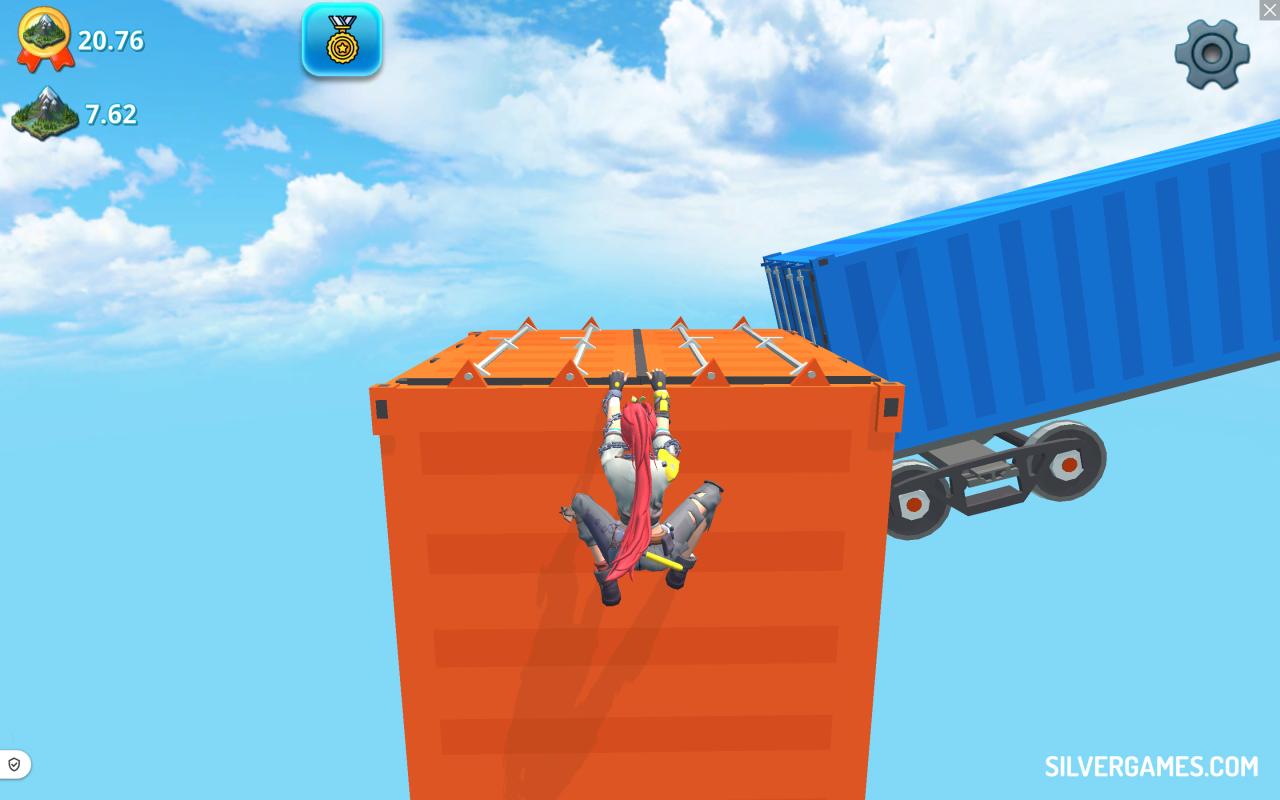
Designing a parkour game involves a meticulous blend of creativity, technical expertise, and an understanding of player dynamics. The development process requires not only crafting engaging environments but also ensuring that the mechanics of movement are intuitive and satisfying. This section delves into the essential components of creating parkour mechanics, the role of physics in achieving realistic movement, and the significance of player feedback in refining game design.
Designing Parkour Mechanics
The foundation of any parkour game lies in its movement mechanics. Effective parkour design necessitates an intricate understanding of how players will interact with the game world. The process typically includes:
1. Character Movement Framework: Developers establish a core movement system that allows characters to perform actions like running, jumping, climbing, and rolling. These actions must flow seamlessly into one another, creating a fluid experience.
2. Animations and Transitions: Smooth animations are vital for immersion. Each movement should transition naturally into the next, which can involve extensive motion capture or hand-keyed animations. Realistic and responsive animations enhance player satisfaction.
3. Environmental Design: The game world must be constructed to facilitate parkour. This includes designing rooftops, walls, and obstacles that encourage exploration and skillful navigation, creating a landscape where players can experiment with their movement.
4. Control Schemes: Intuitive controls are paramount. Developers must ensure that input responses are immediate and accurate, allowing players to execute complex maneuvers without frustration.
Importance of Physics in Movement
Physics play a crucial role in crafting realistic movement in parkour games. The implementation of a physics engine affects how players perceive and experience the game world. Key aspects include:
– Gravity and Momentum: Realistic gravity ensures that jumps feel authentic. When players leap from heights, they should experience a sense of weightlessness momentarily followed by a natural fall, grounded in the laws of physics.
– Collision Detection: Accurately detecting collisions between the character and environmental elements is essential. A poorly implemented collision system can lead to frustrating gameplay, where players feel unfairly penalized for their actions.
– Fluid Motion Dynamics: The integration of fluid dynamics allows for more nuanced movement. For instance, a character should gradually decelerate when landing, rather than abruptly stopping, mimicking real-world physics and enhancing realism.
“Creating a believable physics-based movement system is integral to player immersion in parkour games.”
Role of Player Feedback in Game Design
Player feedback serves as a cornerstone in refining parkour game design. Developers rely on insights from playtesting to tweak mechanics, controls, and overall gameplay experience. The significance of player feedback can be summarized in several points:
– Identifying Pain Points: Players often highlight areas of frustration, such as difficult controls or unclear objectives. Addressing these concerns can drastically improve the gaming experience.
– Balancing Difficulty: Feedback helps developers gauge the challenge level of parkour mechanics. Striking the right balance ensures that the game remains accessible to newcomers while providing depth for experienced players.
– Enhancing Enjoyment: Player suggestions can lead to the introduction of new features or improved mechanics, keeping the gameplay fresh and engaging. This iterative process fosters a sense of community and encourages player investment in the game.
– Testing Realism: Players often provide insights into the realism of movement. Their experiences can inform whether the parkour mechanics feel natural or if adjustments are necessary to align with player expectations.
Incorporating player feedback throughout the development process ensures that the final product resonates with its audience, leading to a successful and enjoyable parkour gaming experience.
End of Discussion
In conclusion, parkour games exemplify the fusion of innovative design and engaging gameplay, captivating players through their dynamic mechanics and stunning visuals. As developers continue to refine how movement is portrayed and experienced, the genre promises to evolve further, offering even more exhilarating adventures. Whether you’re a seasoned player or new to the world of parkour, these games are sure to leave a lasting impression and redefine the way you approach movement in gaming.