
Online multiplayer games have revolutionized the gaming landscape, drawing players into immersive worlds where competition and cooperation thrive. In recent years, these games have evolved, reflecting diverse genres that engage millions across the globe. From cooperative adventures to intense competitive showdowns, the appeal of online multiplayer games lies in their ability to foster connections and create vibrant communities.
As we explore the popular genres within online multiplayer gaming, we will uncover how these games have transformed over the past decade and the impact of gameplay styles on player interactions. The journey through this digital realm reveals not only the fun of gaming but also the social fabric that binds players together, making them a pivotal part of modern entertainment.
Popular Genres in Online Multiplayer Games
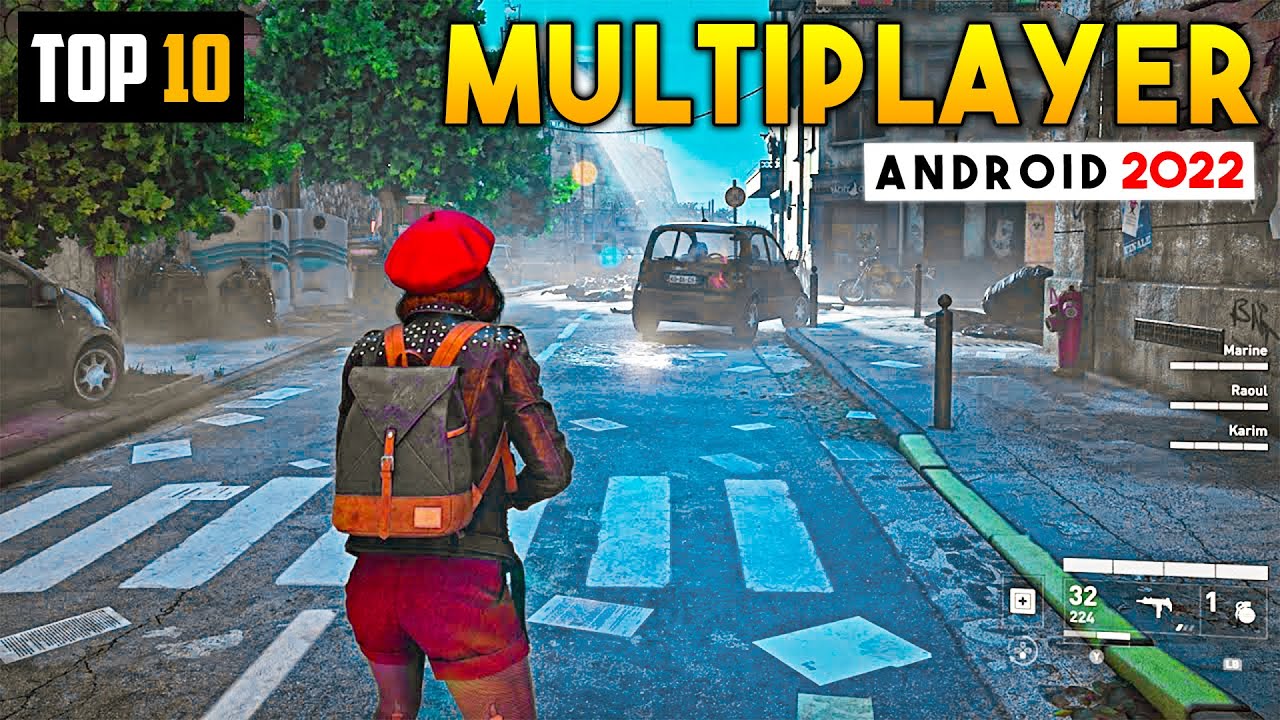
Online multiplayer games have become a defining aspect of the gaming landscape, drawing millions of players into virtual worlds where they can either cooperate or compete with others. The diversity of genres in this space reflects evolving player interests and technological advancements. This exploration will delve into the three most popular genres of online multiplayer games, highlighting their characteristics and the evolution of these genres over the past decade.
Top Three Genres of Online Multiplayer Games
The online multiplayer gaming scene is dominated by a few key genres, each offering unique experiences and gameplay mechanics. The following genres have garnered significant popularity in recent years:
- Battle Royale: This genre surged to prominence with titles like Fortnite and PUBG, characterized by large player counts, survival mechanics, and a shrinking play area that forces engagement. The appeal lies in the thrill of being the last player or team standing, coupled with fast-paced gameplay and an ever-changing environment.
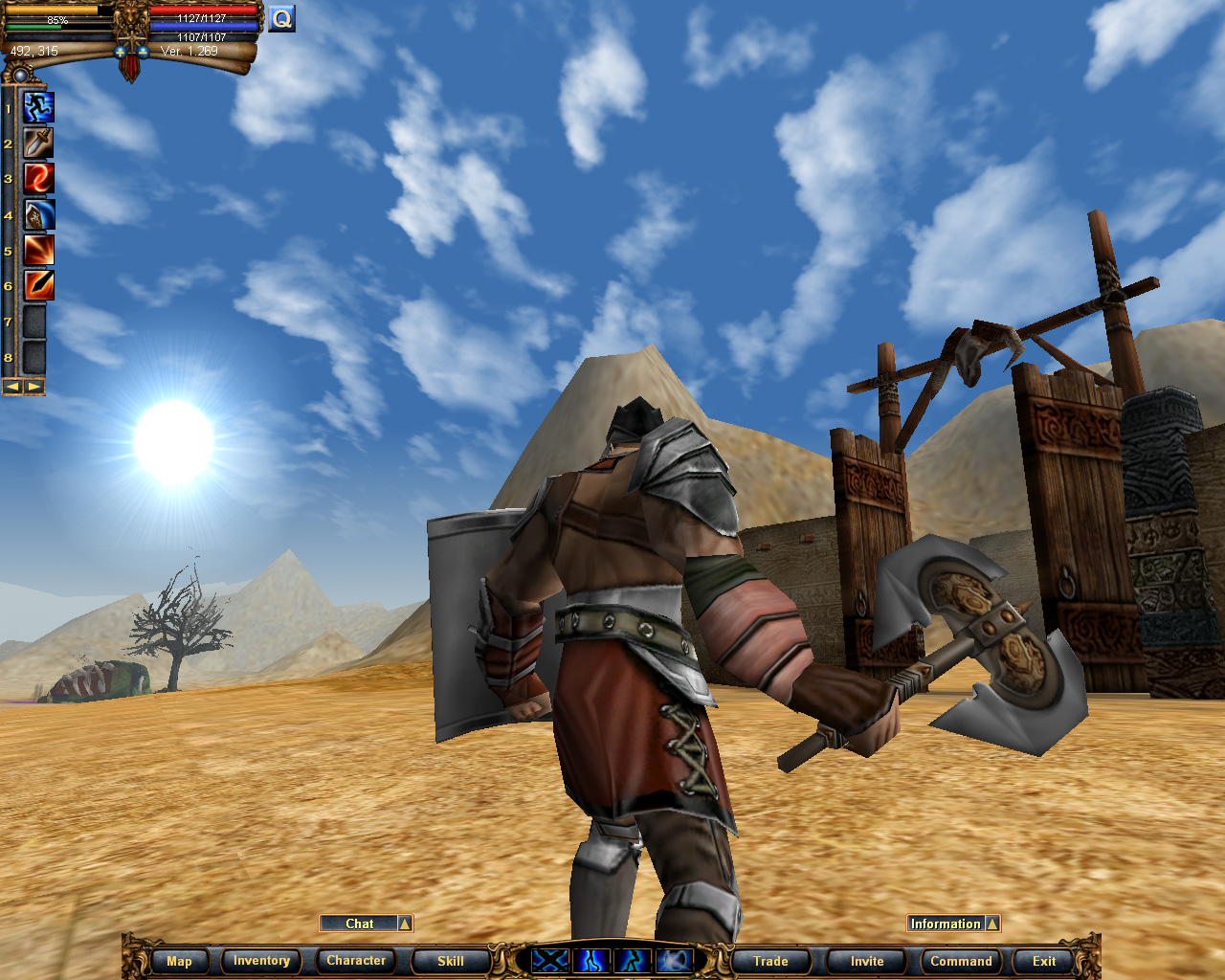
- MMORPG (Massively Multiplayer Online Role-Playing Games): Games like World of Warcraft and Final Fantasy XIV exemplify this genre, allowing players to immerse themselves in expansive worlds, complete quests, and interact with thousands of other players. The depth of character customization and storyline engagement fosters long-term player investment.
- MOBA (Multiplayer Online Battle Arena): Games such as League of Legends and Dota 2 typify this genre, where teams of players compete in strategic battles, utilizing unique characters with distinct abilities. The focus on teamwork, strategy, and skill mastery has made MOBAs a staple in competitive gaming and esports.
Evolution of Online Multiplayer Game Genres
Over the past decade, online multiplayer game genres have undergone significant transformations, influenced by technological innovations, player feedback, and changing cultural trends. Initially dominated by traditional MMORPGs, the landscape has expanded to embrace diverse formats. Advances in graphics, network capabilities, and cross-platform play have enabled developers to create richer, more immersive experiences.
The rise of competitive gaming and esports has particularly impacted genre evolution, with many games incorporating ranked play, tournaments, and spectator features. This shift has fostered communities around competitive titles, encouraging developers to prioritize balance and ongoing content updates to enhance player retention. Additionally, the integration of social features, such as voice chat and in-game events, has made multiplayer experiences more engaging and interconnected.
Appeal of Cooperative versus Competitive Gameplay
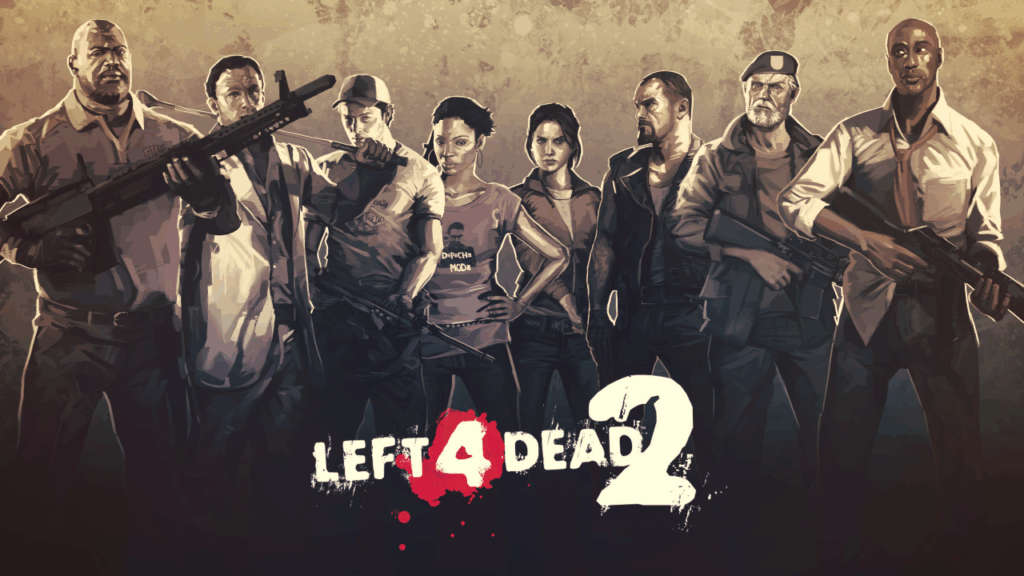
Cooperative and competitive gameplay offers distinct experiences that appeal to different player preferences. Cooperative gameplay emphasizes teamwork and joint problem-solving, often leading to a sense of camaraderie and shared achievement among players. This genre encourages players to strategize together, fostering community building and social connections. For example, games like Left 4 Dead and Phasmophobia highlight the importance of collaboration to overcome challenges.
Conversely, competitive gameplay focuses on individual skill, strategy, and rivalry. Titles such as Fortnite and Call of Duty create a thrilling atmosphere where players vie for dominance, leading to intense encounters and a heightened sense of accomplishment upon victory. The competitive nature of these games often drives players to improve their skills, participate in tournaments, and engage in a vibrant, competitive community.
Both gameplay styles contribute to the richness of the online multiplayer landscape, catering to a wide range of player motivations and preferences.
Impact of Online Multiplayer Games on Social Interaction
Online multiplayer games have transformed the way individuals connect with one another, creating a virtual landscape where friendships blossom and communities thrive. These platforms offer players opportunities to form bonds with others from around the globe, transcending geographical boundaries and fostering relationships that can extend beyond the gaming environment.
The social dynamics of online multiplayer games allow players to interact with each other in real-time, promoting teamwork and collaboration in various gameplay scenarios. Players engage in cooperative tasks and build strategies together, which enhances their social skills and helps in forging lasting relationships. The shared experiences within these games often lead to the cultivation of strong communities built on mutual interests and camaraderie.
Facilitation of Social Connections
Many online multiplayer games are designed to encourage player interaction, making it easier to form friendships. Through features such as voice chat, text messaging, and in-game emotes, players can communicate effectively, creating a sense of presence and mutual support.
– Guilds and Clans: Many games incorporate guilds or clans, where players join forces to tackle challenges. This not only provides a structured way to play but also enables players to connect on a deeper level, sharing achievements and experiences.
– Team-Based Gameplay: Games such as “Overwatch” and “League of Legends” require players to collaborate as teams, enhancing their ability to communicate and strategize together. The necessity of teamwork fosters connections that can lead to friendships.
– Social Media Integration: Many online games allow for direct links to social media platforms, enabling players to share their triumphs and experiences with a wider audience, further promoting social engagement outside the game itself.
Building Communities and Friendships
The online multiplayer gaming environment is rife with communities that spring up around shared interests, game genres, or specific titles. These communities can be incredibly enriching, providing players with a support system and a sense of belonging.
– Forums and Discord Servers: Numerous multiplayer games have dedicated forums and Discord servers where players can discuss strategies, share content, and host events, creating a thriving community atmosphere.
– In-Game Events: Special in-game events, such as seasonal festivals or charity tournaments, are designed to foster community interaction. For example, “Fortnite” hosts live events that not only bring players together but also create shared experiences that are memorable and often emotional.
– Long-Term Friendships: Many players report forming long-lasting friendships through their gaming experiences. For instance, online platforms have enabled players to find friends whom they regularly play with, often leading to real-life meetups and collaborations in various activities beyond gaming.
“The bonds formed in virtual worlds can be as strong as those in the physical world, transcending any barriers of distance.”
Future Trends in Online Multiplayer Gaming

The landscape of online multiplayer gaming is constantly evolving, driven by technological advancements and changing player preferences. As we look to the future, several key trends are emerging that promise to reshape the way gamers connect and interact within virtual environments. These trends encompass the integration of new technologies, the rise of immersive experiences, and the development of innovative game titles that push the boundaries of multiplayer gaming.
Emerging Technologies Shaping the Future
Several emerging technologies are poised to significantly influence online multiplayer gaming. These include cloud gaming, artificial intelligence (AI), and blockchain technology.
Cloud gaming allows players to access games without the need for high-end hardware, as the games are hosted on remote servers. This technology democratizes gaming access, enabling players across diverse devices to enjoy high-quality multiplayer experiences.
AI enhances game mechanics by creating more responsive and intelligent non-player characters (NPCs), contributing to a more dynamic gameplay environment. This leads to richer narratives and more engaging interactions among players.
Blockchain technology introduces the concept of true ownership of in-game assets through non-fungible tokens (NFTs). Players can buy, sell, and trade these assets across different platforms, thereby creating a player-driven economy that adds a new dimension to multiplayer gaming.
Impact of Virtual Reality on Online Multiplayer Gaming
Virtual reality (VR) is set to revolutionize the online multiplayer gaming experience by providing unprecedented levels of immersion. With VR headsets becoming more accessible and affordable, players can step into fully realized 3D environments where they can interact with other players in a visceral way.
The potential of VR in multiplayer games allows for more collaborative and competitive experiences. For instance, players can physically engage with their surroundings, communicate through gestures, and experience a sense of presence that traditional gaming setups cannot replicate.
The implications of VR are vast, from enhancing social interactions to creating entirely new genres of games that leverage real-world movements. Games like “Half-Life: Alyx” and “Beat Saber” showcase how VR can redefine gameplay mechanics and community engagement.
Upcoming Titles Redefining Online Multiplayer Gaming, Online multiplayer games
Several upcoming titles have the potential to redefine online multiplayer gaming by introducing innovative mechanics, engaging narratives, or unique player interactions.
One such title is “Starfield,” developed by Bethesda Game Studios, which promises to deliver an expansive universe with multiplayer elements that allow players to explore, trade, and interact in a richly detailed environment.
Another noteworthy mention is “Avatar: Frontiers of Pandora,” which aims to immerse players in the world of Pandora with cooperative gameplay that encourages collaboration among players to navigate its stunning landscapes.
Additionally, “Fable” is making a return, focusing on community-driven experiences that emphasize player choice and impact within a shared world, promising to foster meaningful interactions between players.
These titles highlight a trend towards more immersive and interconnected gameplay experiences that prioritize community and collaboration, shaping the future of multiplayer gaming.
Closing Notes: Online Multiplayer Games
In conclusion, online multiplayer games are more than just a source of entertainment; they are a catalyst for social interaction and community building. With emerging technologies set to redefine the gaming experience and enhance player engagement, the future of online multiplayer gaming looks promising. As we continue to witness the evolution of this dynamic landscape, one thing remains clear: these games will continue to bring people together, forging friendships and shared experiences across borders.