

mmorpg games for pc have become a cornerstone of the gaming community, offering players an expansive universe to explore and conquer. From breathtaking graphics to intricate storylines, these games transport you into diverse worlds where adventure and camaraderie await. With a plethora of options available, players can choose from a variety of titles that not only challenge their skills but also cater to their personal play styles.
This article delves into the top five trending MMORPG games, highlighting their unique features and gameplay mechanics. We will also explore the depth of character customization available, allowing gamers to create avatars that truly represent their individual preferences. Furthermore, we’ll discuss the importance of community and social interactions, which are integral to the MMORPG experience, enhancing both engagement and player retention.
Popular MMORPG Games for PC
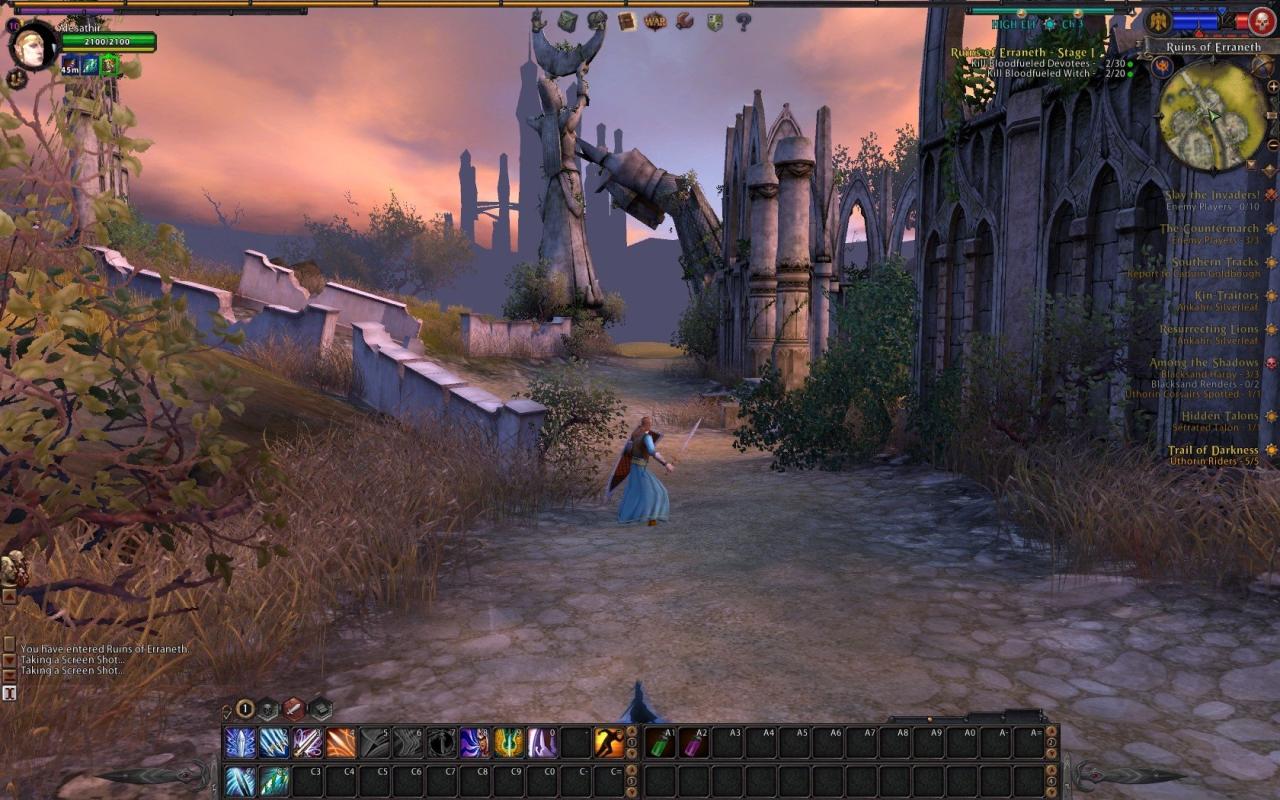
Massively Multiplayer Online Role-Playing Games (MMORPGs) have continued to capture the hearts of gamers worldwide. With immersive worlds, rich storytelling, and dynamic interactions, these virtual realms offer experiences that are both engaging and diverse. As of now, several titles dominate the market, each bringing unique features and gameplay mechanics that cater to a wide range of player preferences.
Top Five Trending MMORPG Games
The following games have become staples in the MMORPG genre, each distinguished by its unique features and gameplay.
- Final Fantasy XIV
- World of Warcraft
- The Elder Scrolls Online
- Guild Wars 2
- Black Desert Online
Final Fantasy XIV has captivated players with its rich narrative and stunning visuals. It offers a dynamic job system that allows players to switch between classes seamlessly, promoting versatility in gameplay. The game also boasts a strong community, regular updates, and expansions that enhance the overall experience.
World of Warcraft remains a titan in the MMORPG landscape. Known for its vast world and deep lore, it features unique races and classes that players can customize extensively. The game’s raid system is a hallmark, encouraging teamwork and strategic planning among players.
The Elder Scrolls Online offers players the ability to explore Tamriel in an open-world environment. Its unique features include a rich crafting system and the ability to engage in player versus player (PvP) combat in large-scale battles. The game’s immersive lore ties directly into the Elder Scrolls franchise’s history.
Guild Wars 2 introduces a unique event system that makes the world feel alive and responsive to player actions. Its lack of a traditional quest system encourages exploration and dynamic gameplay. The game also features a unique class skill system that allows for varied combat styles and strategies.
Black Desert Online is known for its stunning graphics and intricate character customization options. The game features a dynamic combat system that emphasizes skill over traditional tab-targeting mechanics. Additionally, its life-skills system allows players to engage in a variety of activities beyond combat, like fishing and trading.
Gameplay Mechanics Overview, Mmorpg games for pc
The gameplay mechanics in these MMORPGs vary widely, shaping the player experience in distinct ways.
“Each game offers players unique systems for combat, crafting, and community interaction, creating a diverse gaming landscape.”
- Combat Systems:
Each game employs different combat mechanics, from action-oriented systems in Black Desert Online to the strategic raid encounters in World of Warcraft. - Character Progression:
Players can expect various methods of leveling up, including traditional experience points in Final Fantasy XIV and skill-based progression in Elder Scrolls Online. - Social Features:
Many MMORPGs emphasize social interaction through guilds, trading systems, and player events, fostering a sense of community. - Questing and Exploration:
Unique quest systems, like the event-driven approach in Guild Wars 2, encourage players to explore and engage with the game world dynamically. - Crafting and Economy:
Crafting systems vary, with some games like Black Desert Online offering comprehensive life-skill systems that allow players to earn in-game currency through non-combat activities.
Character Customization in MMORPGs
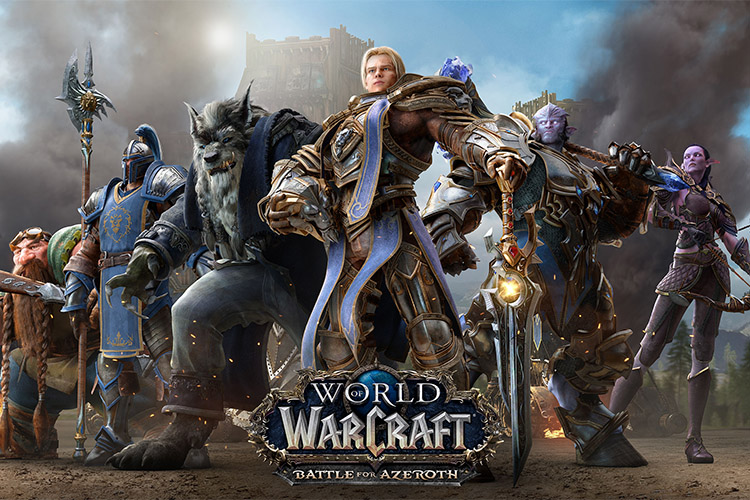
Character customization is a fundamental aspect of MMORPGs (Massively Multiplayer Online Role-Playing Games) that enhances player engagement and allows for personal expression. Each game offers a unique set of options that can significantly affect gameplay and overall experience. By tailoring a character to fit specific aesthetics, traits, and abilities, players can forge their unique identities in expansive virtual worlds.
The character creation process typically involves a wide array of customization features, from physical appearance to gameplay mechanics. Popular MMORPGs such as “World of Warcraft,” “Final Fantasy XIV,” and “Guild Wars 2” showcase different approaches to character customization that cater to diverse player preferences and styles. Below is a comparison of these games, highlighting their standout customization features.
Comparison of Customization Features in Popular MMORPGs
Different MMORPGs offer varying depths of character customization options, which can shape the player’s experience. The following table Artikels notable features from “World of Warcraft,” “Final Fantasy XIV,” and “Guild Wars 2.”
| Game | Character Races | Visual Customization | Class Specialization | Unique Features |
|---|---|---|---|---|
| World of Warcraft | 13 races with unique traits | Facial features, hairstyles, body types, and tattoos | 12 classes with numerous specializations | Faction allegiances affect gameplay |
| Final Fantasy XIV | 8 races with sub-races | Detailed facial options, hair styles, and accessories | 35 job classes with extensive progression | Limit Break and Job Synergy features |
| Guild Wars 2 | 5 races with unique lore | Character sliders for detailed customization | 9 professions with diverse builds | Dynamic events and world shaping |
This comparison illustrates that while all three games offer substantial character customization, they cater to different player preferences. “World of Warcraft” emphasizes factional choices and class specializations, while “Final Fantasy XIV” provides intricate aesthetic options along with job synergies. “Guild Wars 2,” on the other hand, offers a more simplified interface but focuses heavily on the lore-driven distinction of races and dynamic gameplay.
Guide to Creating a Character that Suits Different Play Styles
Creating a character that aligns with your preferred playstyle can enhance your overall gaming experience. Below are essential considerations and strategies to help guide your character creation process effectively.
When starting your character, it’s crucial to consider your desired playstyle. Here are key elements to focus on:
- Playstyle Type: Identify if you prefer tanking, healing, damage dealing, or support roles. Each class offers different strengths that cater to specific playstyles.
- Race Selection: Choose a race that complements your chosen class. Some races provide bonuses that enhance specific abilities or traits.
- Skills and Abilities: Familiarize yourself with the skill sets available for your chosen class. This includes understanding cooldowns, resource management, and synergies between skills.
- Appearance Customization: Personalize the visual aspects of your character to reflect your personality or the role you wish to embody. A well-designed character can boost your connection to the game.
- Gear Preferences: Anticipate the types of gear you will be using. Some customization systems allow for evolving gear stats that may influence your character’s effectiveness in gameplay.
By carefully considering these factors during character creation, players can develop a character that not only represents their unique identity but also aligns with their gameplay preferences, ultimately leading to a more fulfilling experience in the MMORPG world.
Community and Social Interaction in MMORPGs
The community aspect of MMORPGs is a cornerstone that significantly influences gameplay and player retention. In these expansive virtual worlds, players do not just interact with the environment; they build connections and forge relationships with others. A well-developed community enhances the overall experience, making the game more engaging and enjoyable. The social interactions that occur within these games create a sense of belonging and shared experiences among players, encouraging them to invest more time and emotion into their characters and stories.
Strong communities contribute to player retention by providing support, motivation, and companionship. Players often find themselves returning not just for the gameplay, but for the friends they’ve made along the way. This intrinsic motivation can be the difference between a fleeting gaming experience and a long-term passion. The importance of social features in MMORPGs cannot be overstated, as they serve as the glue that binds players together, enhancing both individual experiences and the game as a whole.
In-Game Social Features Enhancing Player Interaction
Numerous in-game social features are designed to enhance player interactions and foster community. These features create dynamic environments where players can easily connect, collaborate, and communicate with one another.
- Chat Systems: Integrated text and voice chat systems allow players to communicate in real-time, facilitating discussions, strategizing, and socializing.
- Friends Lists: Players can add friends to their lists, making it easier to see who is online and coordinate play sessions together.
- Trading Systems: Many MMORPGs offer trading mechanics that allow players to exchange items and resources, encouraging collaboration and interaction.
- Events and Festivals: In-game events often bring the community together, providing opportunities for players to participate in activities that encourage teamwork and camaraderie.
- Guild and Clan Systems: These structured groups allow players to band together, fostering a sense of identity and community within the game.
- Leaderboards and Competitions: Competitive elements promote interaction among players as they strive to achieve high ranks or complete challenges together.
Impact of Guilds and Clans on Overall Gaming Experience
Guilds and clans play a pivotal role in shaping the overall gaming experience in MMORPGs. These player-organized groups offer a unique blend of social interaction, collaboration, and competition that can greatly enrich the game.
“Joining a guild transforms the solitary act of gaming into a shared adventure, enhancing both social interaction and gameplay experience.”
Guilds often provide a structured environment for players to collaborate on quests, share resources, and engage in larger-scale battles. They create opportunities for members to specialize in roles, thus deepening strategic gameplay. Additionally, guilds can host events, from PvP tournaments to cooperative raids, which strengthen camaraderie among members.
The social bonds formed within guilds can transcend the game itself, nurturing friendships that may lead to real-world interactions. Clans foster a sense of belonging and loyalty, which can be particularly appealing to players seeking community and support. Ultimately, the presence of these groups significantly elevates the entire MMORPG experience, transforming it into a vibrant social ecosystem.
Conclusion: Mmorpg Games For Pc

In summary, MMORPG games for PC offer an unparalleled blend of adventure, creativity, and community, making them a favorite among gamers worldwide. Whether you’re crafting your character or forging alliances within a guild, these games provide endless possibilities for immersion and enjoyment. As the genre continues to evolve, players can look forward to new innovations that will shape their gaming experiences for years to come.