Klondike Solitaire is a classic card game that has enchanted players for generations, offering a blend of strategy and chance that keeps the mind engaged and the heart racing. Whether you are a seasoned veteran or a curious newcomer, understanding the game’s mechanics, strategies, and variations will not only enhance your gameplay but also deepen your appreciation for this timeless pastime.
In this guide, we will explore the essential rules and setup of Klondike Solitaire, Artikel effective strategies for winning, and delve into popular variations that can add new dimensions to your gaming experience. Get ready to dive into the world of Klondike Solitaire, where every shuffle of the cards presents a new challenge and opportunity.
Game Mechanics of Klondike Solitaire
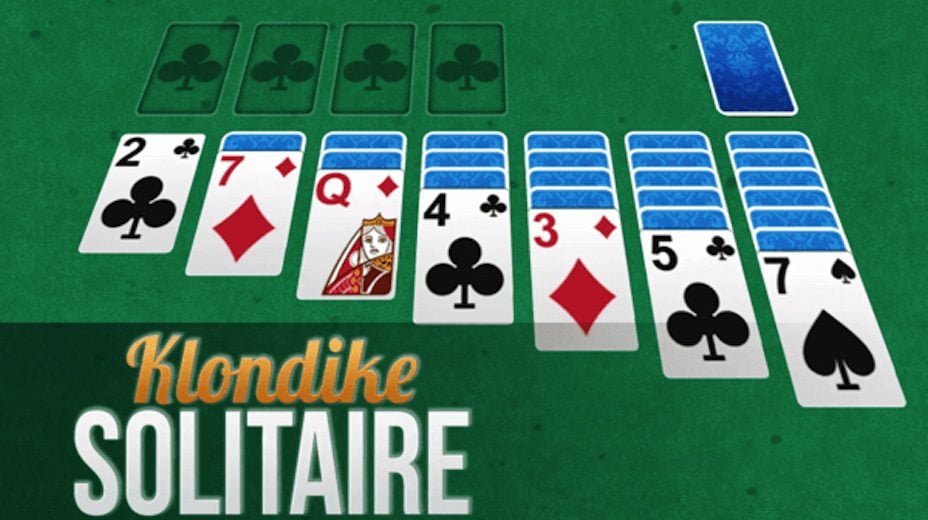
Klondike Solitaire is a classic card game that combines elements of strategy and chance, making it a popular choice for players of all ages. The objective of the game is to build four foundation piles, each representing a suit, in ascending order from Ace to King. The game’s structure requires players to utilize their problem-solving skills and plan several moves ahead.
The setup for Klondike Solitaire is straightforward and can be accomplished in just a few steps. Players need a standard 52-card deck, and the arrangement of the cards is crucial for gameplay.
Setting Up a Game of Klondike Solitaire
To set up a game of Klondike Solitaire, follow these steps to ensure proper arrangement and gameplay flow:
1. Prepare the Deck: Shuffle a standard deck of 52 playing cards thoroughly.
2. Create the Tableau: Deal seven tableau piles, starting with one card in the first pile, two in the second, and so forth, until the seventh pile has seven cards. Only the top card in each pile should be face-up, and the rest remain face-down.
3. Establish the Foundations: Leave space for four foundation piles, one for each suit, which will be built in ascending order.
4. Form the Stock Pile: The remaining cards after setting up the tableau form the stock pile, placed face-down, from which players will draw cards during gameplay.
Following these steps creates the foundational layout essential for playing Klondike Solitaire.
Winning Conditions of Klondike Solitaire
Identifying when a game is won in Klondike Solitaire is straightforward. The winning conditions are met when all cards have been successfully moved from the tableau and stock to the foundation piles.
To summarize the winning conditions:
– All four foundation piles are completed with cards arranged in ascending order, from Ace to King, of each suit.
– No cards remain in the tableau or the stock pile.
When these conditions are fulfilled, the game is officially won, and players can enjoy the satisfaction of successfully completing the game.
Strategies for Winning Klondike Solitaire
Mastering Klondike Solitaire requires not only an understanding of game mechanics but also the implementation of effective strategies that enhance your chances of winning. By employing these strategies, players can maximize moves and better manage difficult card arrangements, leading to a more successful gaming experience. This guide delves into critical approaches that can significantly influence the outcome of your game.
Maximizing Moves for Success
A key element of winning Klondike Solitaire lies in maximizing the potential of each card move. Players should always look to uncover hidden cards and create opportunities for future moves. Here are several strategies to consider:
- Prioritize Uncovering Face-Down Cards: Always aim to reveal face-down cards in the tableau. This not only increases your options but can also facilitate the movement of other cards.
- Move Cards to the Foundation Strategically: Transfer cards to the foundation only when it benefits your current tableau arrangement. Sometimes, keeping a card in the tableau can lead to greater flexibility in future moves.
- Use the Stock Wisely: Before drawing from the stock, evaluate your tableau to ensure that the move will open new possibilities. Unsuitable moves can lock you out of key cards.
- Plan Ahead: Always think several moves ahead. If a move leads to a dead end, reconsider your options and choose a path that keeps your options open.
Managing Difficult Card Arrangements
Certain card arrangements can be particularly challenging in Klondike Solitaire. To navigate these complexities effectively, consider the following approaches:
- Keep Track of Card Colors: When stacking cards in the tableau, alternate colors to maximize space. This practice allows for better mobility and card rearrangement.
- Don’t Rush to Move Kings: Kings can fill available spaces, but moving them prematurely may block other possibilities. Ensure that moving a king aligns with your overall strategy.
- Utilize Empty Columns Wisely: An empty tableau column can be a powerful asset. Use it strategically to rearrange cards, especially when managing groups of cards that need to be moved together.
- Recognize When to Hold Back: In some situations, it may be better to refrain from making a move that seems advantageous at first glance. Holding back can provide better options later in the game.
Common Mistakes and How to Avoid Them
Even experienced players can fall into traps that hinder their progress. Being aware of these common mistakes can greatly enhance your gameplay. Below is a list of frequent pitfalls and tips to circumvent them:
- Ignoring Face-Down Cards: Failing to prioritize uncovering face-down cards can limit your options. Always aim to reveal these cards as soon as possible.
- Moving Cards to the Foundation Too Quickly: While it may seem beneficial to build the foundation quickly, doing so without considering the tableau can lead to missed opportunities.
- Overlooking the Stock: Not utilizing the stock effectively can result in premature stalemates. Always assess the stock before drawing to ensure it enhances your current situation.
- Focusing Solely on Immediate Gains: Short-term moves can seem advantageous, but focusing on the bigger picture often yields better long-term strategies.
Variations and Alternatives to Klondike Solitaire
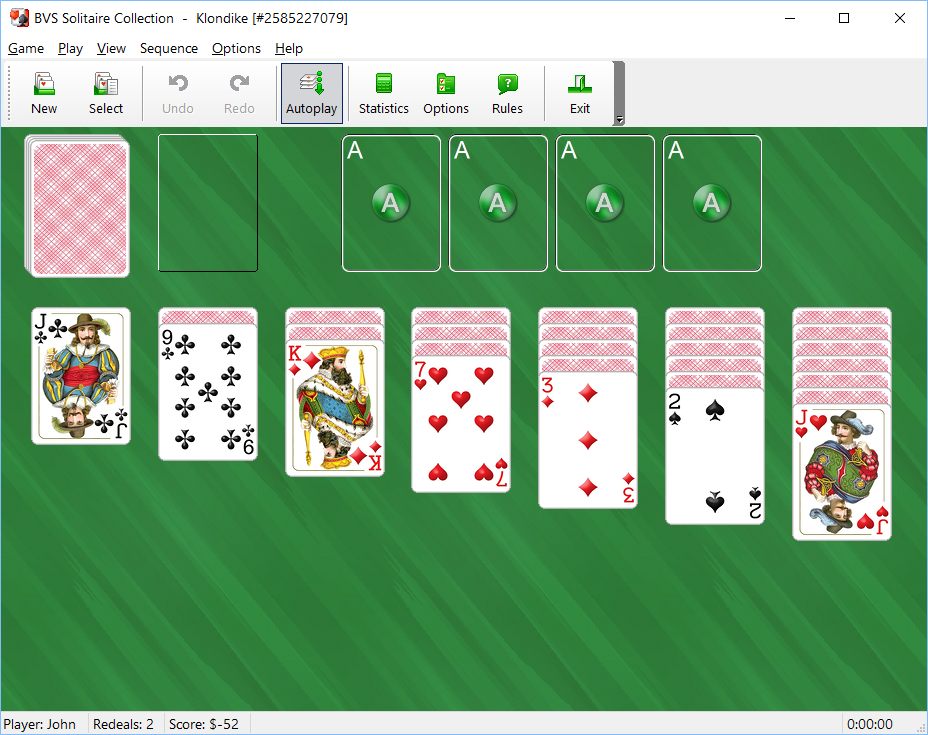
Klondike Solitaire has captured the hearts of card game enthusiasts with its engaging gameplay and strategic depth. However, the world of solitaire is vast, offering numerous variations that cater to different player preferences and skill levels. These alternatives not only bring fresh challenges but also introduce unique rules that can significantly alter the gaming experience.
The variations of Klondike Solitaire often introduce new rules or structural changes that enhance or modify the gameplay. Understanding these variations provides insight into the richness of solitaire as a genre and how different rules can lead to distinct strategies and outcomes.
Popular Variations of Klondike Solitaire
Several popular variations of Klondike Solitaire exist, each with its own set of rules that can dramatically impact gameplay. Below are some notable ones:
- Turn One Klondike: In this variation, players draw one card from the stockpile instead of three. This change makes the game more accessible for beginners, as it reduces the difficulty of card retrieval and enhances the chances of winning.
- Double Klondike: Played with two decks of cards, this version allows for more complex strategies and a larger tableau. The additional cards create new opportunities for moves but also increase the game’s complexity, challenging even seasoned players.
- Scorpion Solitaire: This variant features a different tableau layout, where cards are dealt in a more stacked formation. The objective remains similar, but the unique structure requires players to think differently about card placement and movement.
Each of these variations introduces distinct gameplay mechanics that can either simplify or complicate the player’s experience, depending on their familiarity with the traditional Klondike rules.
Comparative Analysis of Solitaire Games
When comparing Klondike Solitaire to other solitaire variations, notable differences and similarities emerge, showcasing the diversity within the solitaire genre. Understanding these aspects can enhance a player’s overall gaming experience.
- Differences in Gameplay: While Klondike focuses on building foundation stacks from ace to king, other variations like Spider Solitaire prioritize creating complete sequences of cards from king to ace within a single suit. The gameplay mechanics and objectives can shift dramatically, offering players varying challenges.
- Deck Usage: Many solitaire games utilize a single deck, but variations like Yukon or Double Klondike make use of two decks, expanding the range of potential moves and strategic options available to players.
- Tableau Structure: In Klondike, cards are typically dealt in seven columns, while games like Scorpion have stacked formations that allow for different approaches to card management and strategy.
In conclusion, the variations and alternatives to Klondike Solitaire enrich the experience of card games, inviting players to explore new strategies and challenges. Whether opting for a more straightforward approach or a complex variant, each iteration provides a unique take on the classic game, ensuring that there is something for everyone in the world of solitaire.
Ending Remarks
In conclusion, mastering Klondike Solitaire requires not only understanding the basic rules but also applying effective strategies and being aware of common pitfalls. As you practice and explore various game variations, you’ll discover that every game is a fresh journey, filled with opportunities to improve your skills and enjoy countless hours of fun. So shuffle those cards, embrace the challenge, and may your next game of Klondike Solitaire lead you to victory!