

Games solitaire has long captivated players with its blend of strategy, patience, and charm. From its origins in the 18th century to the various adaptations we see today, solitaire has evolved into a beloved pastime across the globe. The game offers many versions, each with its own unique rules and appeal, reflecting the cultural significance it holds in different regions.
As we delve deeper, we’ll explore the rich history of solitaire, examining how its gameplay has transformed over time and highlighting the diverse styles that have emerged. Alongside this, we’ll uncover the strategies that both novices and seasoned players can deploy to enhance their experience, ensuring that solitaire remains a game of both luck and skill.
Overview of Solitaire Games
Solitaire games, often seen as a staple of single-player gaming, have a rich history that traces back several centuries. The evolution of solitaire has seen it transition from traditional card games played in drawing rooms to digital variants enjoyed on computers and mobile devices. This change has not only broadened its accessibility but has also diversified the types of solitaire games available to players around the world.
The original solitaire games, which can be traced back to the 18th century in Europe, were typically played with a standard deck of playing cards. Over time, various rules and formats emerged, leading to numerous iterations of the game. The most commonly recognized version of solitaire is Klondike, which involves arranging cards in a tableau and drawing from the stockpile to build up four foundation piles by suit. Other popular variations include Spider Solitaire, which uses two decks and focuses on creating sequences of cards, and FreeCell, which allows players to move cards between cells strategically. Each version has its own set of rules and strategies, contributing to the unique appeal of solitaire as a whole.
Different Versions of Solitaire and Their Rules
The wide array of solitaire versions reflects the game’s versatility and the various strategies involved. Understanding the different types can enhance player enjoyment and skill. Here are some notable versions:
- Klondike Solitaire: The classic version where players aim to build four foundation piles in ascending order from Ace to King, following suit. The tableau consists of seven columns of cards, with only the top card visible.
- Spider Solitaire: Played with two decks, the objective is to create eight complete sequences of cards in descending order from King to Ace. Players can move groups of cards as long as they follow the sequence.
- FreeCell Solitaire: This version is notable for allowing players to move any card at any time, provided there are enough free cells. The game requires strategic planning and foresight.
- Pyramid Solitaire: In this version, players remove pairs of cards that sum to 13 from a pyramid layout to clear the board, with Kings being removed singly.
- Tri-Peaks Solitaire: This variant involves clearing three peaks of cards by selecting cards that are one rank higher or lower than the current card.
The popularity of solitaire games can be seen globally, with each culture bringing its own flavor and variants to the table. Solitaire has transcended its origins to become a beloved pastime, often associated with relaxation and cognitive engagement. It is common to find solitaire games in various forms, whether in physical card sets or as digital applications, showcasing its enduring appeal.
“Solitaire is not just a game; it is a test of patience, strategy, and skill.”
Strategies for Winning at Solitaire
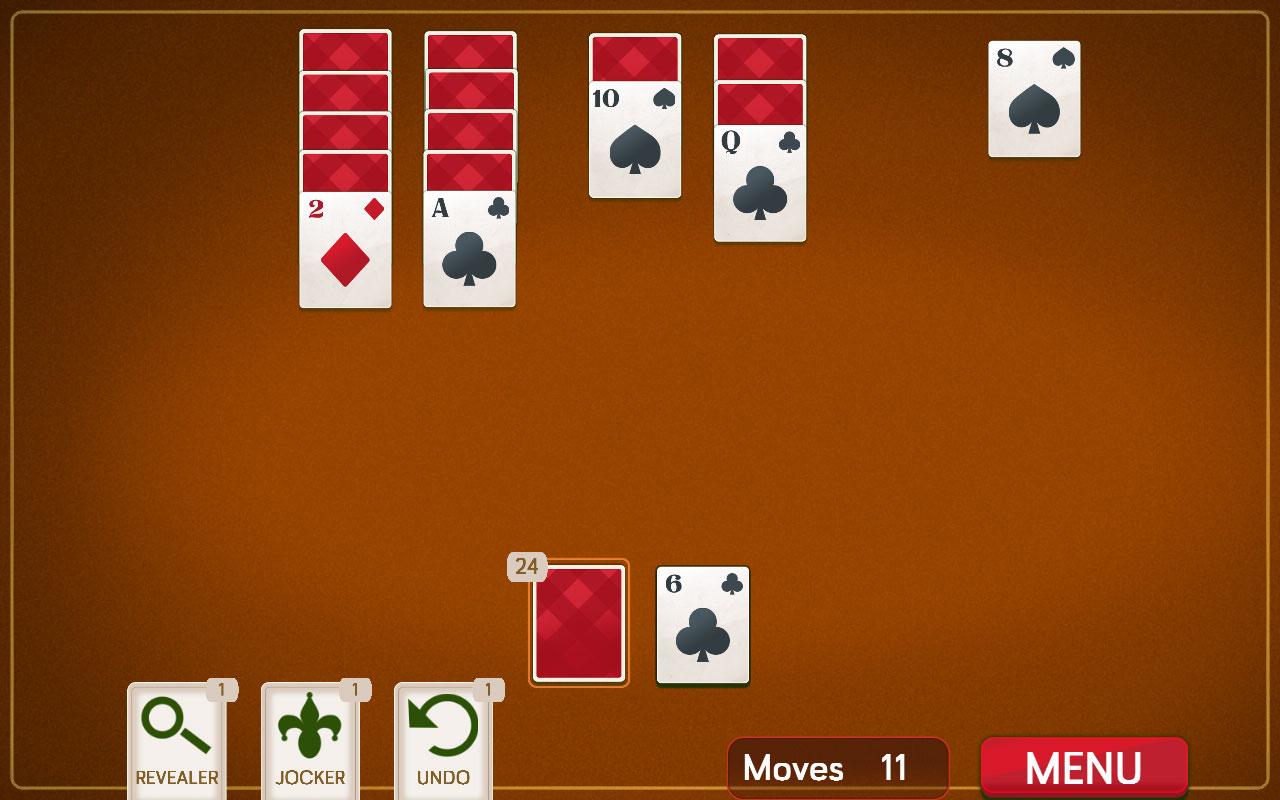
Winning at Solitaire requires a blend of strategic thinking and careful planning. Whether you are a beginner just starting out or an experienced player looking to refine your skills, understanding the strategies of Solitaire can greatly enhance your gameplay. This guide will delve into essential techniques for beginners, advanced strategies for seasoned players, and common pitfalls to avoid, ensuring a comprehensive approach to mastering this classic card game.
Strategies for Beginners
For those new to Solitaire, the following strategies can significantly improve your chances of winning. These foundational techniques focus on basic gameplay mechanics and decision-making processes that will aid in developing a solid understanding of the game.
- Always prioritize moving cards from the tableau to the foundation whenever possible. This not only builds your foundation but also opens up space on the tableau for additional moves.
- Uncover hidden cards in the tableau first. Focus on revealing face-down cards, as this may unlock further moves and provide more options.
- Plan your moves several steps ahead. Consider the consequences of each move and how it will affect your future choices.
- Utilize the stock wisely. Draw from the stock only when necessary, as it can limit your immediate options. When drawing, keep track of what cards are revealed to make informed decisions.
- Make use of empty tableau spaces. If a tableau column is emptied, it can be filled with any king, providing strategic flexibility in moving cards around.
Advanced Techniques for Expert Players
Experienced Solitaire players often employ advanced techniques that involve in-depth strategic planning and a keen understanding of card probabilities. Mastering these methods can elevate a player’s skill level dramatically.
- Count cards and track their positions. Keeping a mental note of which cards have been played and which remain can inform crucial decisions during gameplay.
- Use the ‘undo’ feature strategically, if available. This allows players to explore alternative moves and outcomes without penalizing their strategy.
- Practice the concept of ‘blocking.’ Anticipate potential moves from the opponent (if playing competitively) or recognize how moves can inadvertently block future opportunities for yourself.
- Employ the concept of ‘sacrificing’ moves. Sometimes, moving a card to the foundation or tableau may seem counterintuitive, but it can unlock greater strategic possibilities in the long run.
- Experiment with different variants of Solitaire. Playing various versions enhances adaptability and helps in understanding the fundamental mechanics that apply across different formats.
Common Mistakes to Avoid
Even seasoned players can find themselves making mistakes that hinder their progress. Recognizing and avoiding these common pitfalls will streamline your gameplay and lead to more successful outcomes.
- Failing to utilize empty tableau spaces efficiently can restrict movement and lead to a deadlock.
- Neglecting to reveal face-down cards in the tableau can prevent access to critical resources.
- Drawing from the stock without assessing the current tableau situation often leads to wasted moves and lost opportunities.
- Overlooking potential combinations of cards that can be moved together can hinder progress significantly.
- Rushing through the game can lead to careless mistakes. Take your time to analyze each move and its potential impact on the overall game.
Digital vs. Traditional Solitaire: Games Solitaire
The evolution of solitaire from traditional card decks to digital platforms has opened up new dimensions in gaming experiences. While both formats offer unique advantages, they also present distinct disadvantages that cater to varied preferences among players. Understanding these differences can enhance one’s enjoyment and strategy in the game.
The transition to digital solitaire has revolutionized how enthusiasts engage with the game. Digital platforms provide accessibility, convenience, and a variety of game modes, which traditional solitaire cannot match. These factors significantly impact the overall enjoyment and reach of solitaire.
Advantages of Digital Solitaire
Digital solitaire offers numerous benefits that enhance the gaming experience. The following points illustrate the key advantages:
- Accessibility: Players can access digital solitaire on multiple devices, including smartphones, tablets, and computers, making it easy to play anytime and anywhere.
- Variety of Game Modes: Digital platforms often feature various game types and difficulty levels, allowing users to choose according to their skill and interest.
- Automatic Scoring and Hint Features: With built-in score tracking and hint options, players can learn strategies and improve their gameplay more effectively.
- Online Competitions: Many digital versions provide opportunities for players to compete against others, adding a social element that traditional games might lack.
Disadvantages of Digital Solitaire
While digital solitaire has its perks, it also has limitations that can detract from the gaming experience. Key disadvantages include:
- Lack of Physical Interaction: Digital solitaire removes the tactile experience of handling cards, which can diminish the personal connection to the game.
- Screen Fatigue: Prolonged gaming on digital devices can lead to screen fatigue, affecting players’ enjoyment and health.
- Technical Issues: Players may encounter bugs or connectivity problems that can interrupt gameplay and lead to frustration.
- Distractions: Notifications and other applications can distract players, impacting focus and immersion in the game.
Advantages of Traditional Solitaire
Despite the rise of digital solitaire, traditional card games still hold a special place for many players. The following points Artikel the benefits of playing with physical cards:
- Tactile Experience: Handling physical cards provides a sensory experience that many players find satisfying and nostalgic.
- Social Interaction: Playing in person allows for social interaction, fostering connections and shared experiences among players.
- No Technical Dependence: Traditional solitaire does not rely on technology, ensuring gameplay is uninterrupted by technical glitches or battery life.
Disadvantages of Traditional Solitaire
While traditional solitaire has its advantages, it also comes with drawbacks that may limit its appeal in a fast-paced world. Key disadvantages include:
- Limited Accessibility: Physical card games require a suitable location and setup, which can restrict play options compared to digital formats.
- Less Variety: Traditional solitaire generally offers fewer variations and game modes compared to its digital counterparts.
- Time-Consuming Setup: Setting up a traditional card game can take more time than simply launching a digital game.
Unique Experiences Offered by Both Formats, Games solitaire
The distinct experiences provided by digital and traditional solitaire cater to different audiences, each appreciating the game’s unique aspects. Digital solitaire often attracts younger audiences seeking convenience and quick access, while traditional players enjoy the nostalgia and social interaction associated with physical games.
Digital solitaire games frequently include rich graphics, animations, and sound effects that enhance engagement. In contrast, traditional solitaire emphasizes the tactile sensations and strategic thinking involved with physical cards. Each format contributes uniquely to the personal connections formed with the game and the strategies that evolve through play.
Final Wrap-Up

In conclusion, solitaire stands as a testament to the enduring nature of classic games, whether played with a deck of cards or on a digital device. The balance between traditional and modern formats provides players with unique experiences, each catering to different preferences. As we reflect on the game’s strategies, history, and cultural impact, it becomes clear that games solitaire will continue to engage and challenge new generations of players.